
Curatorial
Writing
Events
2. Mind the Gap



Curator
10.03.2023 – 21.05.2023 Beautiful Distress House, Ms. van Riemsdijkweg 41a, 1033 RC Ámsterdam, Netherlands
Artists: Annaleen Louwes, Diana Blok, Dodi Espinosa, Gabrielle Le Roux, Mustafa y Mamakil, Jorik Amit Galama
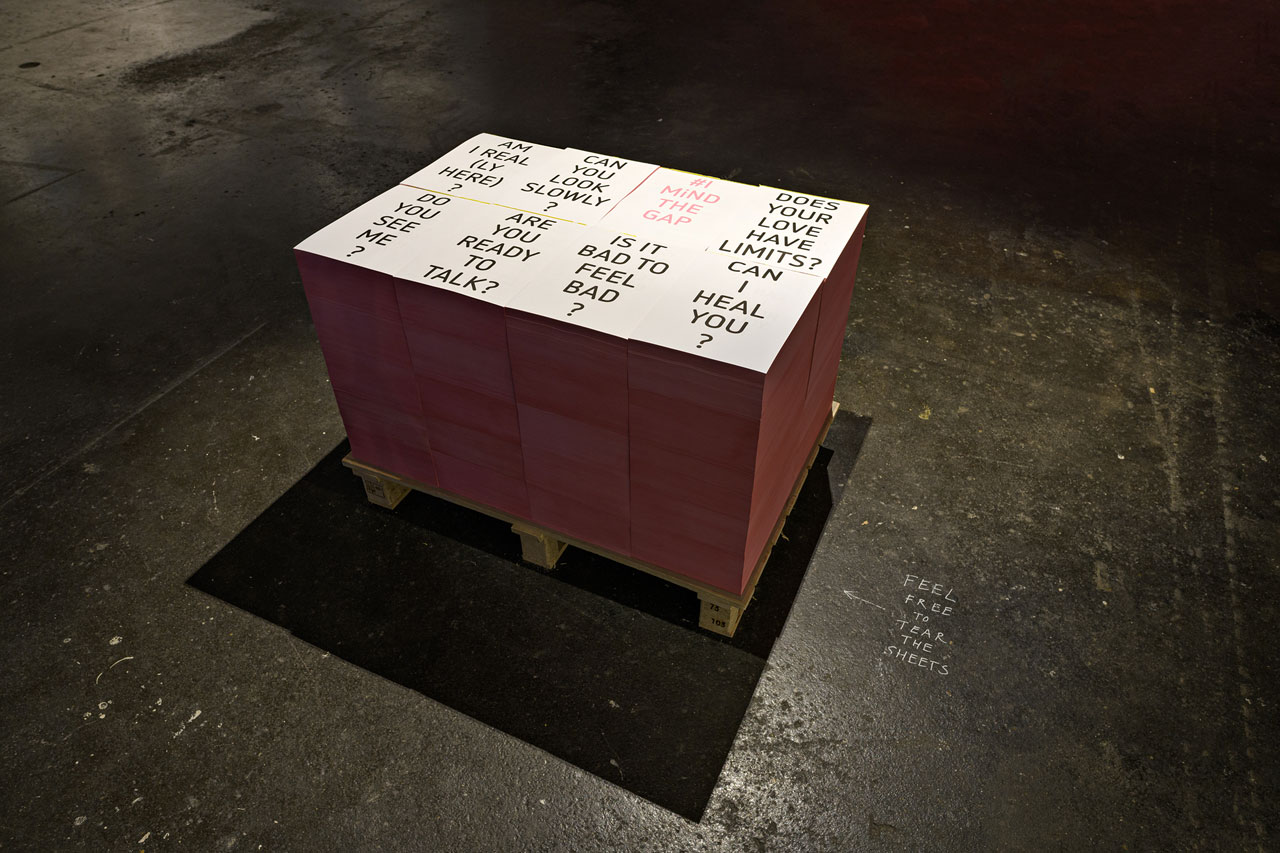
Mind the Gap is a group exhibition addressing the gap between the mental health of LGBTQAI+ people compared to that of the general population. Despite steps being made towards recognising this community as equal in society, statistics paint a sobering picture of the reality of living as LGBTQAI+The Netherlands, long considered as one of the countries in Europe with the most positive outlooks towards homosexuality, has created the image of the happy queer, but just how true is it? When suicide among LGBTQAI+ young people is 4.5 times more common than among heterosexual young people, and almost half of LGBTQAI+ people have contemplated ending their lives, the happy queer functions as a distractor, glossing over the everyday realities of being ‘different’. One in seven LGBTQAI+ people (14%) have avoided treatment for fear of discrimination. When already faced with discrimination, having a mental health vulnerability increases feelings of shame and stigma, marginalising this community further.
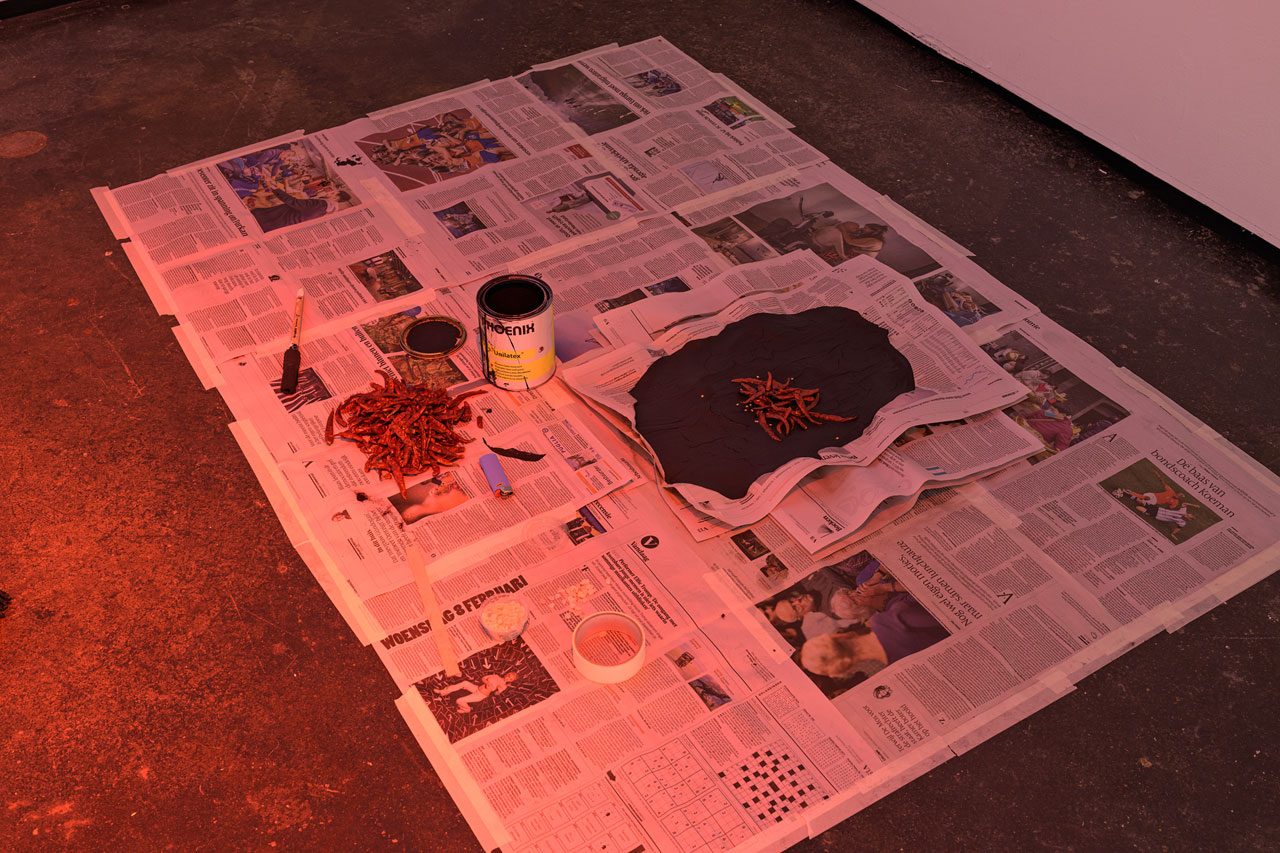
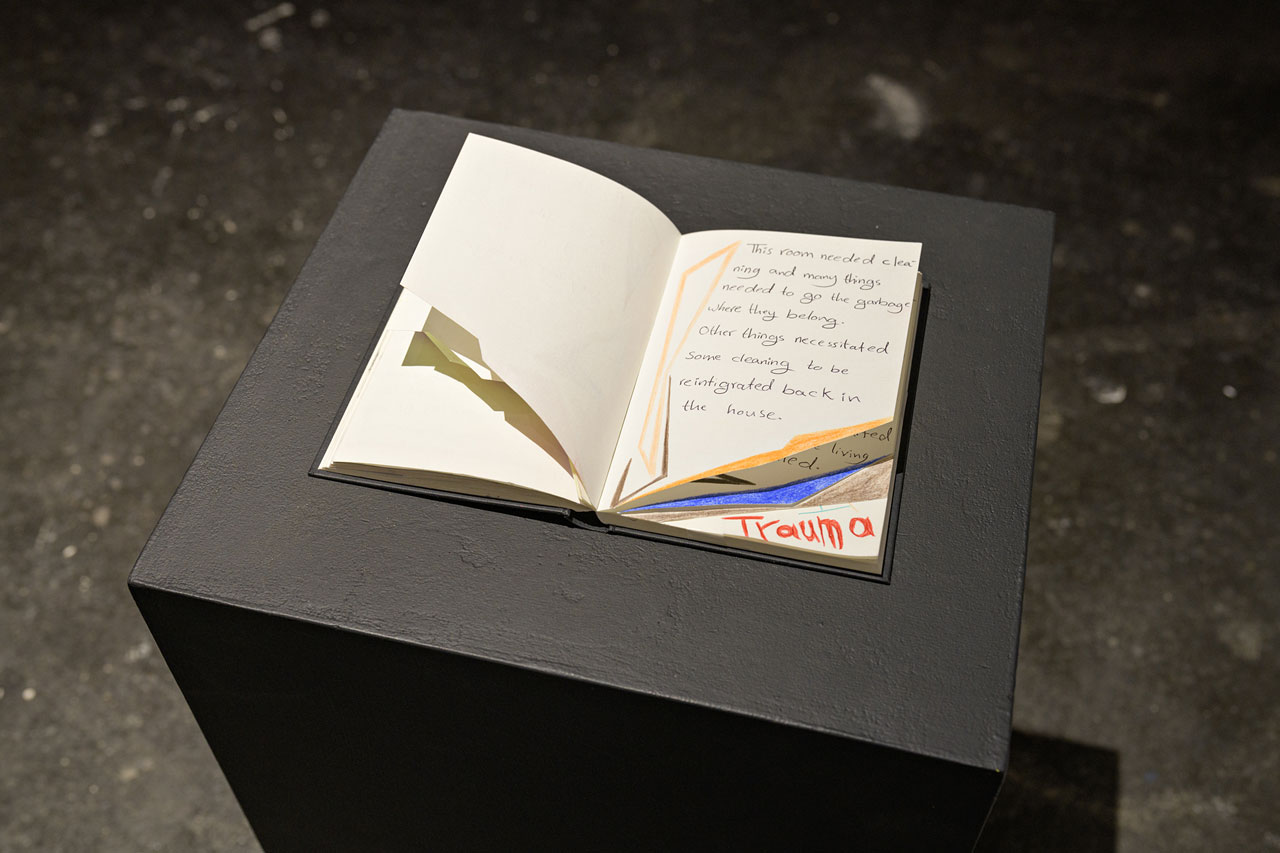
This exhibition looks critically at these feelings to reveal how mental health continues to be prevalent within the LGBTQAI+ community, and crosses over generational, social, and geopolitical borders. Artworks by Annaleen Louwes, Diana Blok, Dodi Espinosa, Gabrielle Le Roux, Mustafa and Mamakil,and Jori(k) Amit Galama show how we cannot talk about the mental health of LGBTQAI+ people without also investigating the impact colonialism, gender violence, law and policy making has had on their day-to-day lives. The audience is invited to participate in a series of intimate encounters with people often overlooked in this community: the first-hand narratives and stories of queer migrants and refugees of colour, gender nonconformists, and trans activists are explored through portraiture, audiovisual works, and site-specific installations, which challenge the one-dimensional representation of the happy queer.